
Sleep apnea isn’t just about loud snoring or restless nights. It’s a condition that quietly affects your breathing and even heart health. Many adults struggle with bulky CPAP machines or simply give up on treatment altogether. But there’s a simpler and more comfortable option that’s gaining attention. That is oral appliance therapy. In this blog, we will talk about how oral appliance therapy works and why it’s an effective choice for adults with sleep apnea. We will also discuss when it might be the right fit for you.
Why It Might Make Sense For You
If you are like many adults with Obstructive Sleep Apnea (OSA) and you are either not using or struggling with a CPAP machine, or just want an alternative, then an oral appliance could be a good plan. Here are some friendly reasons:
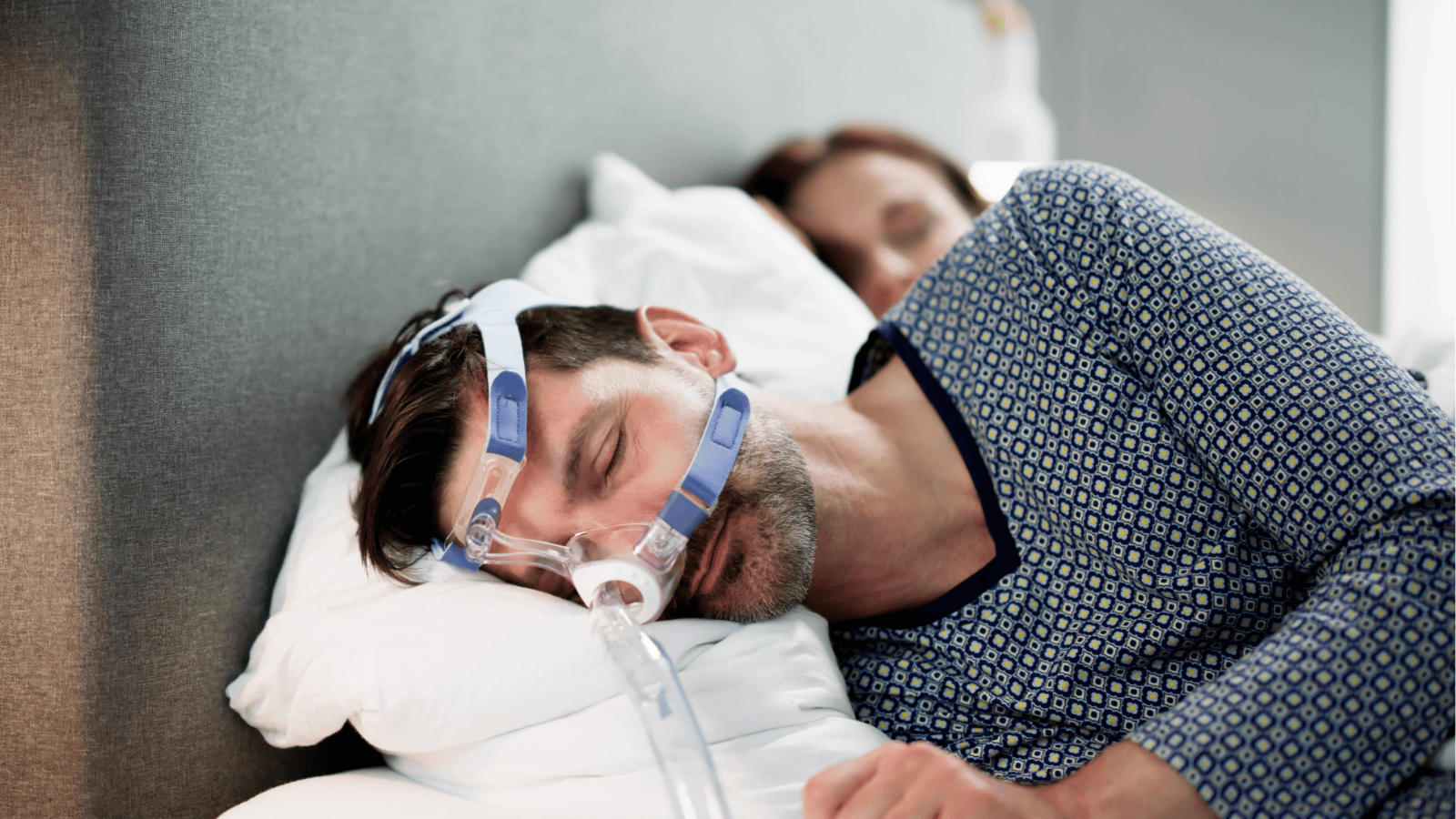
- It’s non-invasive and much less machine hooked to your face than a CPAP. So for folks who hate the mask, or the noise, or the hose, it’s a plus.
- Studies show that CPAP tends to work best in controlled tests. People actually use oral appliances more consistently in real life.
- For those with mild to moderate sleep apnea, the appliance is a recommended option by medical/dental sleep bodies.
- Fewer big masks, fewer loud motors. You might find you sleep better.
- It’s customizable. The device is made to fit your mouth/jaw comfortably.
If you are an adult with sleep apnea and either aren’t happy with your current therapy or want a simpler alternative, an oral appliance should be on your radar.
How Oral Appliance Therapy Works
Your throat muscles relax when you sleep. Your tongue might fall backward. Your lower jaw might drift back. It can collapse your airway. That’s part of what causes those breathing pauses and snoring.
An oral appliance, often called a mandibular advancement device. It gently holds your lower jaw forward. It helps keep your upper airway open. Because the airway stays more open, you breathe better, fewer interruptions, fewer “oops I woke up choking” episodes, and less “I slept but I’m still dead tired” tomorrow.
It’s fitted by a dentist, and you will likely have follow-ups for adjustments. It’s not buy one, forget it, but it’s simpler than some machines.
When Adults with Sleep Apnea Should Think About It
Here’s the good-times list for when this makes sense:
- You have mild or moderate OSA, and you are either not using CPAP or you are looking for something easier.
- You have tried CPAP but can’t tolerate it. Many adults fall into this bucket.
- You snore a lot and have breathing pauses during sleep, but you want a less bulky solution.
- You are committed to following up with a dentist to make sure the appliance fits and works well.
When it might not be ideal or extra caution is needed:
- If you have severe OSA or other complex sleep-breathing issues, CPAP might still be the best first line.
- If you have dental problems, that may make appliance use tricky.
- If your anatomy is complicated, the dentist/sleep specialist will need to evaluate it.
- If you expect plug-and-play with zero follow-ups. You will want checkups, adjustments, maybe refinements.
Why Adults Often Prefer It
While CPAP may offer stronger pure mechanical results in lab settings. In the real world, if you don’t use it properly, it doesn’t matter. Some studies show that oral appliances, because people actually use them, can be almost as effective.
One review found that patients wearing an oral device reported better quality of life than those who discontinued it. Also, the device is small, removable, quiet less gear than CPAP. The sleep partner might be happier. Less fuss.
It still requires you to commit. So it’s not an easy option without effort, but for many adults, the effort is less than dealing with CPAP.
Points To Ask Your Sleep-Dentist Team
When you talk to your provider about oral appliance therapy, consider asking these:
- Is my OSA mild/moderate enough that this option makes sense for me?
- How well does my anatomy fit with using an appliance?
- Will this device be custom-made? Custom ones tend to perform better.
- How often will I need adjustments, follow-ups, and monitoring?
- What are potential side effects?
- How will we measure success?
- If this doesn’t work fully for me, what’s Plan B?
Why This Matters
You might think: “Okay, but why bother beyond better sleep?” Here are a few reasons:
- Untreated sleep apnea raises risks: heart disease, high blood pressure, daytime fatigue, and poor concentration.
- Better sleep means better life: you wake up more rested, you might perform better at work, your mood improves, and your partner might stop complaining about the snoring.
- If you pick a treatment you are more likely to stick with, that’s closer to real-world success than “best device in theory but unused”.
The Bottom Line
Oral appliance therapy offers a simple, quiet, and effective way for adults to manage sleep apnea. For people who don’t like how CPAP units feel in general. It keeps your airways open and is good for your health in general if you use it daily. You might find these methods helpful if you want to get the care you need without having to wear masks or deal with noise. Get in touch with Artful Orthodontics in Winter Garden, FL, for personalized help and a great time. Our friendly staff can help you find the best way to sleep and feel better when you wake up.
Frequently Asked Questions
Could a mouth device be used instead of CPAP for all people with sleep apnea?
Not all the time. Oral appliances work well for mild to moderate sleep apnea but may not be enough for severe cases. How well it works depends on your health.
Will using an oral appliance change my teeth, jaw, or bite over time?
It can slightly shift your bite or cause mild jaw soreness since it moves your jaw forward nightly. Regular checkups with a qualified sleep dentist help prevent or manage this.
How do I know if an oral device would work for me?
You will have to get a good sleep study, dental exam, and talk to someone. A doctor who knows how to treat sleep apnea will look at your body and how you sleep to make sure it’s right for you.