
Starting braces is a big step toward a healthier, more confident smile. But sometimes, things don’t go exactly as planned. One common issue many brace wearers face is a broken bracket or wire. This can cause discomfort, irritation, or even worry about your treatment progress. The good news is that most broken brackets or wires can be managed safely at home until you can visit your orthodontist. Knowing what to do can save you pain and prevent further damage to your braces. In this blog, we will discuss the immediate steps to take when a bracket or wire breaks, how to protect your mouth, when to call your orthodontist, and tips to avoid future breakages.
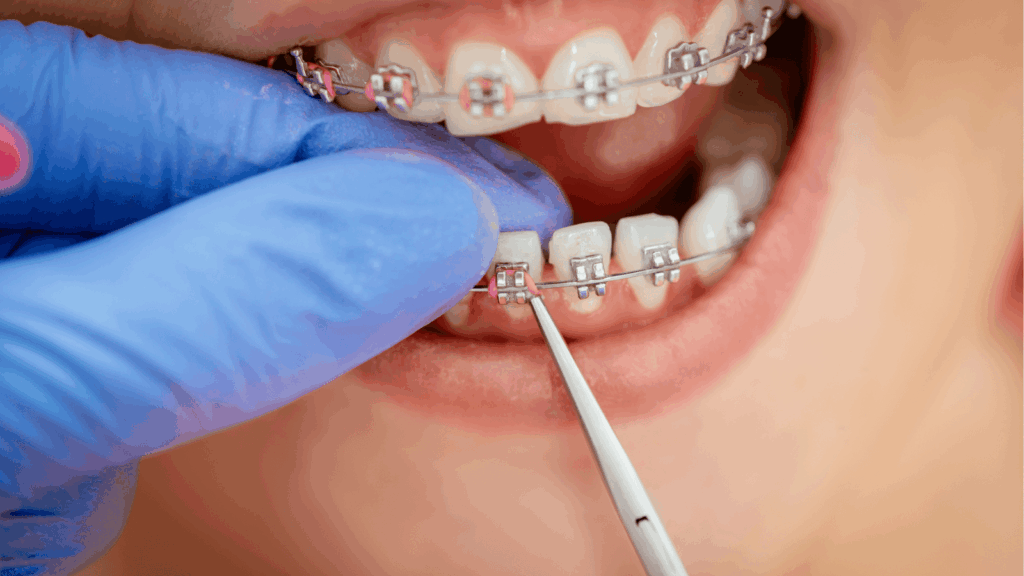
Quick Relief for Bracing Issues
If you notice a broken bracket or wire, don’t panic. It’s a common issue and usually easy to fix.
First, check your mouth in the mirror to see what’s damaged. To prevent discomfort, place orthodontic wax over any sharp or poking parts. Stick to soft foods and avoid anything hard or sticky that could worsen the damage.
Most importantly, contact your dentist to explain what happened and ask if you need an urgent visit. Never try to fix the braces yourself; leave it to the experts.
Understanding Braces Damage and Repairs
Brackets and wires are the core components of braces. They work together to gently move your teeth into place. However, they can sometimes break or become loose due to:
- Eating hard, sticky, or chewy foods
- Accidental trauma or sports injuries
- Normal wear and tear during treatment
- Improper care or habits like chewing on pens or nails
- Not wearing a mouthguard during contact sports
These issues happen often, so knowing how to manage them can ease discomfort and keep your treatment moving smoothly.
What to Watch for with Braces Issues
Before taking action, it’s important to recognize the signs. Spotting these early can help you avoid further discomfort and prevent delays in your treatment:
- A bracket feels loose or detached from your tooth
- A wire is poking or irritating your cheek, gums, or tongue
- You notice pain or soreness around a specific area of your braces
- Pieces of your braces fall out or move unexpectedly
- You feel a sudden change in pressure or tightness around your teeth
Your First Moves
Loose or uncomfortable braces should be handled properly to avoid further issues. Acting quickly and calmly also helps minimize pain and keeps your treatment on track.
- Stay Calm and Assess the Situation
Find a well-lit area and gently check your braces. Identify if the bracket is loose or if a wire is sticking out. Avoid touching the broken parts too much to prevent further damage.
Use a mirror or ask someone to help you inspect the area carefully. The more you understand the issue, the better you can explain it to your professional.
- Wax for Instant Relief
Orthodontic wax is a soft, moldable material that you can place over sharp edges or poking wires. This helps protect your cheeks and gums from cuts. It provides temporary relief from irritation, especially when eating or talking.
Applying Orthodontic Wax: Step-by-Step
- Start by washing your hands thoroughly
- Break off a small piece of wax
- Roll it into a ball and gently flatten it
- Press it over the bracket or wire that’s causing discomfort
If you don’t have orthodontic wax, you can temporarily use sugar-free chewing gum or a small piece of soft cheese like cheddar to cover the sharp area. This isn’t a long-term solution, but it can help until you see your expert.
- Avoid Certain Foods and Habits
Stay away from sticky, hard, or chewy foods like caramel, nuts, popcorn, or ice. These can worsen the damage or cause new breakages. Also, avoid habits like biting your nails or chewing on pencils.
Stick to soft foods like mashed potatoes, yogurt, and pasta until the issue is resolved. Being cautious now helps prevent additional damage.
- Call Your Braces Specialist
Contact your dentist’s office to explain the problem. They will advise you if you need an emergency visit or if it can wait until your next scheduled appointment.
Many orthodontists offer quick advice over the phone for minor issues. Be sure to describe exactly what you are feeling and where the problem is to get accurate guidance.
- Don’t Attempt DIY Repairs
Never try to glue brackets back on or cut wires with household scissors. These actions can cause more harm and delay your treatment. You could risk injuring your mouth or damaging the braces further. It’s always best to let professionals handle the repair properly and safely.
When to Call Your Smile Specialist Right Away
Some situations require urgent professional care. Ignoring these signs could lead to more pain, delays in treatment, or further damage to your braces.
| Scnerio | Action Needed |
| Severe pain or bleeding | Call immediately |
| Wire completely detached and loose | Emergency appointment |
| Broken bracket causing pain | Schedule urgent repair |
| Broken wire causing mouth sores | Contact for quick fix |
If you experience any swelling, fever, or signs of infection, seek medical help right away.
Preventing Future Breakages
Prevention is better than a cure. Taking a few simple precautions can go a long way in protecting your braces and avoiding unexpected repairs. Here are some tips to keep your braces safe:
- Avoid hard, sticky, or chewy foods
- Wear a mouthguard during sports
- Follow your orthodontist’s instructions on cleaning and care
- Don’t chew on pens, pencils, or fingernails
- Attend all scheduled orthodontic appointments for adjustments
End Note
A broken bracket or wire can feel stressful, but with the right steps, you can manage the situation comfortably until your orthodontist repairs it. Remember to stay calm, protect your mouth with orthodontic wax, avoid harmful foods, and contact your orthodontist promptly. If you are in Winter Garden, FL, and need expert care for broken braces or any orthodontic concerns, Artful Orthodontics is here to help. Our friendly team provides quick, professional repairs to keep your smile journey on track. Contact us today to schedule an appointment or for advice on managing broken brackets or wires.
FAQs
Can a broken bracket or wire increase the risk of tooth decay or gum disease?
Broken brackets or wires can create small gaps and sharp edges where food particles and bacteria easily accumulate. This buildup can increase the risk of tooth decay and gum inflammation, especially if oral hygiene becomes difficult to maintain around the damaged area. Proper cleaning and timely repair are essential to prevent these complications.
How does a broken bracket or wire affect the overall treatment cost?
A broken bracket or wire may lead to additional visits to the orthodontist, emergency repairs, or even extended treatment time if left unaddressed. These extra appointments and prolonged treatment can increase the overall cost of orthodontic care. Preventing breakages by following care instructions can help avoid unexpected expenses.
What are the psychological effects of dealing with broken braces during treatment?
Broken brackets or wires can cause discomfort and visible damage that may lead to frustration, embarrassment, or anxiety about appearance and treatment progress. This psychological impact can affect confidence and motivation to maintain oral care routines. Support from your orthodontist and timely repairs help reduce stress during treatment.