
Many individuals wake up feeling unrested despite having spent adequate time in bed. This experience may sometimes indicate an underlying issue. Oral structures play a significant role in sleep quality. You might be surprised to hear this that but orthodontic treatments can actually help with sleep issues like sleep apnea. The way your teeth and jaws are aligned can affect how well air moves through your airway while you sleep. In this blog, we will chat about what sleep apnea really is and how it’s connected to orthodontics. We will also discuss how certain treatments can actually help you breathe easier at night. Not just smile better.
What’s the Real Deal With Sleep Apnea?
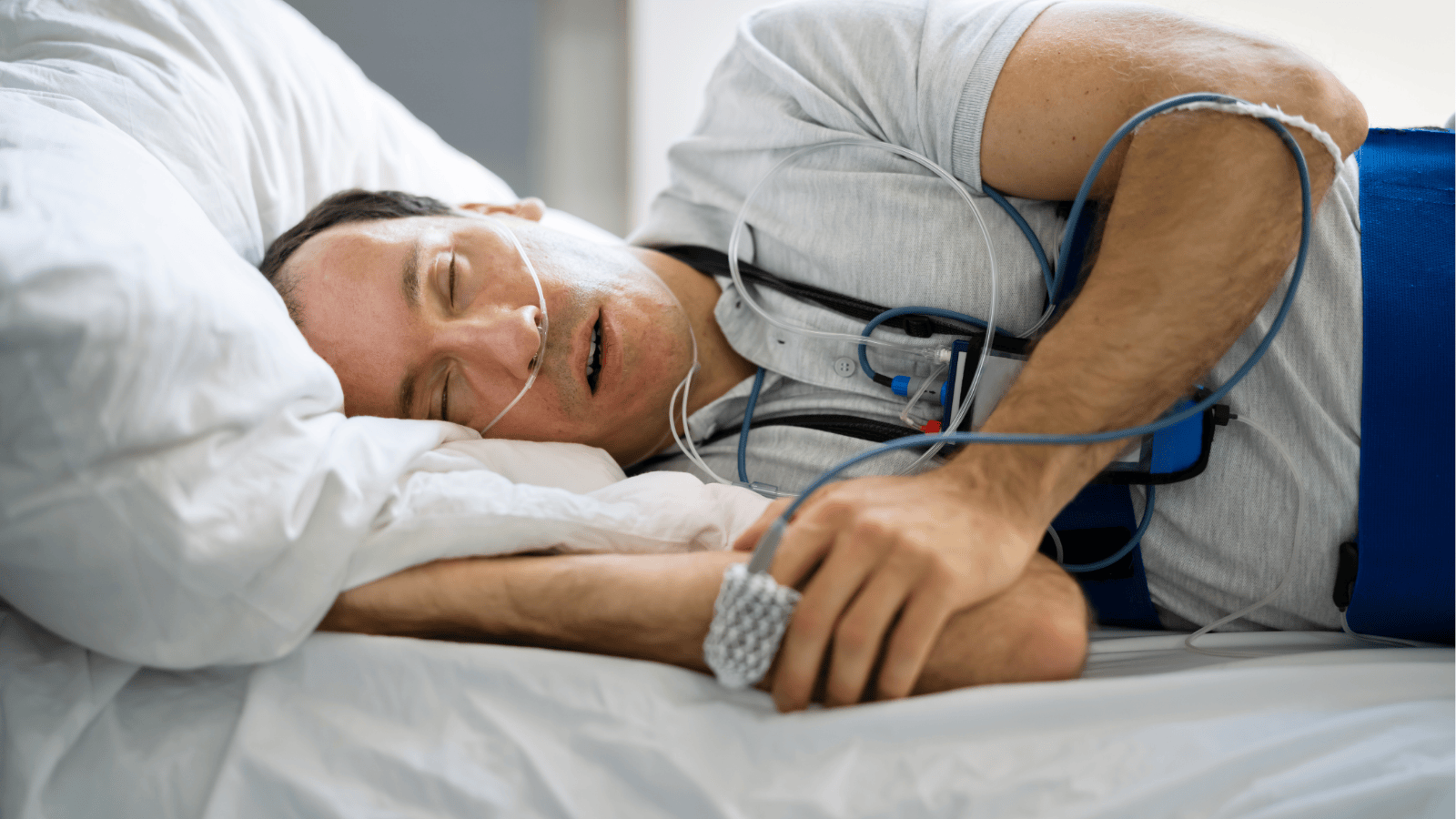
Sleep apnea isn’t just about someone snoring through the night. It’s when your breathing keeps pausing and starting again while you are asleep. Without you even realizing it. The type most people have is called obstructive sleep apnea. It happens when the airway in your throat gets blocked. It is usually because the muscles relax too much.
About 30 million people are affected by sleep apnea, and roughly 80% of moderate-to-severe cases go undiagnosed. That’s a lot of people walking around tired and not knowing why. Common symptoms include:
- Loud snoring
- Gasping or choking during sleep
- Morning headaches
- Daytime sleepiness or brain fog
- Mood changes or irritability
How Your Mouth and Airway Are Connected
Think of your airway like a tunnel. Now imagine your jaws and teeth as the walls shaping that tunnel. If the structure’s too narrow or not aligned properly. There’s less space for air to move freely.
That’s why people with small jaws and retruded chins sometimes struggle with sleep apnea. Their mouth structure limits the airflow.
Orthodontists don’t just straighten teeth. They also shape how your jaws fit together. When they adjust, they can actually open up the airway space, too.
How Orthodontic Treatment Can Help With Sleep Apnea
Orthodontic treatment isn’t only about creating a nice smile. It can actually help you breathe and sleep better, too. Here’s how it works in real life:
- Expanders are sometimes used to gently widen the upper jaw for kids and teens. This doesn’t just make space for teeth. It also opens up the nasal passages. It helps air move more freely while they sleep.
- In adults or more severe cases, orthodontists may use special devices or work alongside surgeons to move the lower jaw slightly forward. That small shift can reposition the tongue and soft tissues, too. It keeps the airway from collapsing during sleep.
- Bite problems can limit the airflow space in your mouth. Once those bite issues are fixed with braces or aligners. Most people notice they can breathe a lot more easily. Everything just feels smoother and more natural.
- Some orthodontists also team up with sleep doctors to create custom oral appliances that gently hold the jaw forward overnight. These can be a lighter and more comfortable option than a CPAP machine for people with mild sleep apnea.
Orthodontics goes way beyond looks. It’s about helping your mouth work better and giving you those deep and refreshing nights of sleep you have been missing.
Can Braces Alone Fix Sleep Apnea?
Orthodontic treatment can support sleep apnea management. It’s not a magic fix for everyone. If someone’s apnea is caused by weight gain or other medical issues, then orthodontic care may only be part of the solution.
To create a thorough strategy, orthodontists frequently work in conjunction with ENT specialists and occasionally oral surgeons.
So if you are snoring a lot, waking up tired, or your partner says you stop breathing in your sleep, don’t just book a sleep test. Talk to an orthodontist, too. The problem might be more structural than you realize.
Real-World Results You Can Actually Feel
When airway-focused orthodontics works, patients often say they sleep more deeply, snore less, and wake up feeling actually rested. Some even notice improved focus during the day.
There’s a growing field called airway orthodontics. It’s changing how dentists think about treatment. It’s not just about how your smile looks. It’s about how your mouth functions to support breathing and even long-term health.
A study found that expanding the upper jaw can improve airway dimensions and reduce apnea severity in selected patients.
When Should You See an Orthodontist About Sleep Issues?
Here’s a quick checklist. You might want to consult an orthodontist if you:
- Snore or wake up gasping for air.
- Always feel tired even after a full night’s sleep.
- Have a small chin, narrow jaw, or crowded teeth.
- Grind your teeth at night.
- Breathe through your mouth often.
If you nodded yes to a few of those, it’s worth a chat with a sleep-focused orthodontic team.
The Bottom Line
Orthodontics can do more than straighten your teeth. It can help you breathe, sleep, and feel better every day. The mouth, jaw, and airway all work together, and when one’s off balance, everything else feels off, too. If you or someone you love struggles with snoring, restless sleep, or morning fatigue, it’s time to look deeper. Visit Artful Orthodontics in Winter Garden, FL, to see how our team blends modern orthodontics with airway-focused care. Your next great night’s sleep might just start with a smile.
FAQs
Can children have sleep apnea, too?
Yes! Kids with narrow jaws, enlarged tonsils, or mouth breathing habits can develop sleep apnea. Preventing long-term problems can be achieved with early orthodontic treatment.
Can sleep apnea be treated with transparent aligners like Invisalign?
By adjusting jaw and bite alignment, they can indirectly aid by potentially increasing airflow. However, they are not a specific apnea treatment.
What distinguishes a CPAP machine from an orthodontic appliance?
A CPAP pushes air to keep your airway open. An orthodontic appliance repositions your jaw to prevent blockage naturally. Both work, but for different levels of apnea.