
Imagine looking in the mirror one day and thinking, “If only my teeth were straighter. If only I could smile freely without hiding.” So many adults feel that way. Perhaps you grew up avoiding braces, or maybe your teeth shifted after childhood, or perhaps you never had the opportunity. Whatever the reason, we want you to know: it’s not too late. Even if you are 30, 40, or 60+, smiles can still change. Modern tools. Modern methods. And yes, people your age are doing it all the time, quietly, confidently. You might wonder: how hard is it? How long will it take? What are the costs or risks? In this blog, we are going to walk you through what adult orthodontics really means, what benefits you gain, what comes with treatment, and how to decide.
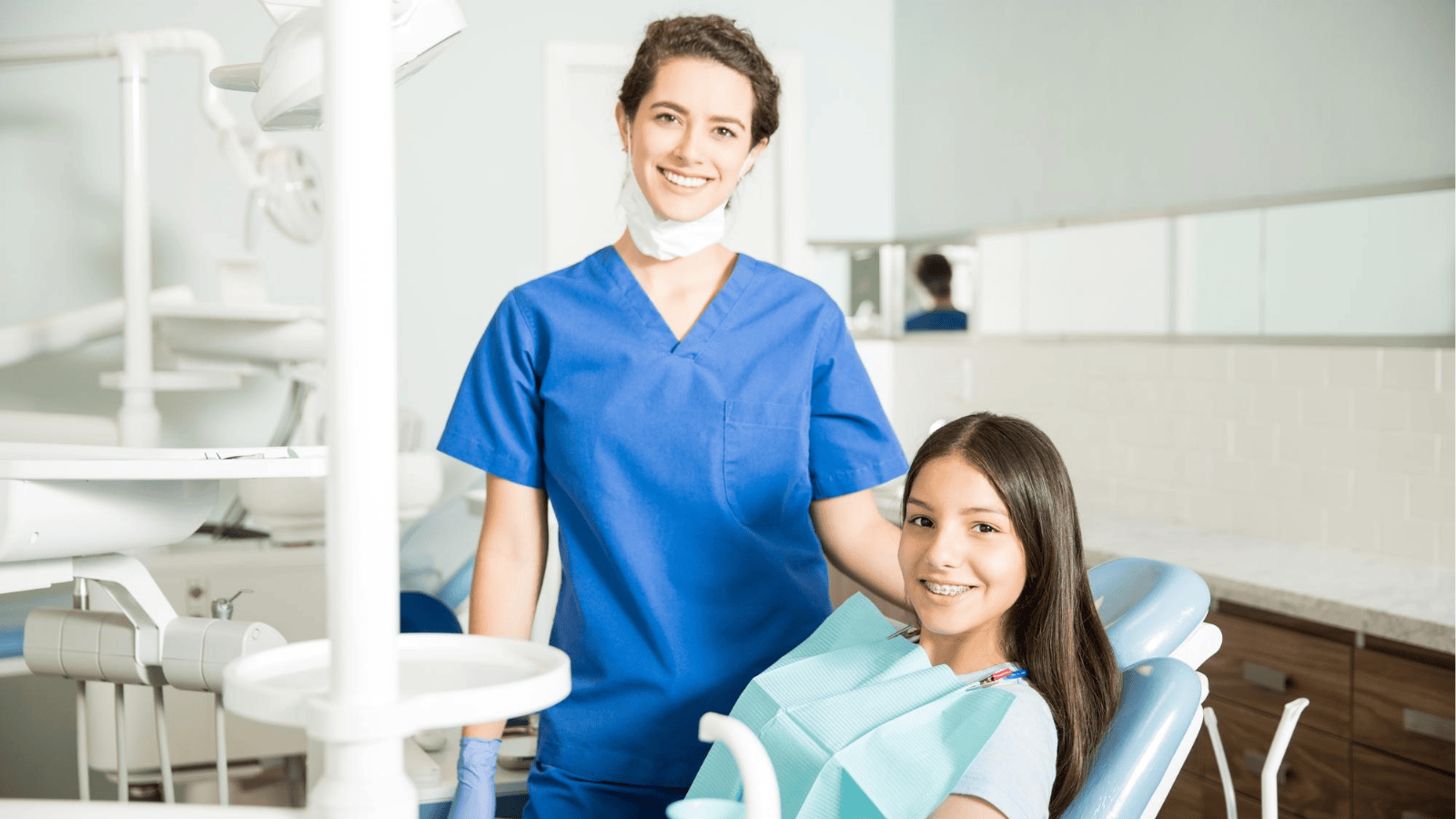
Can Adults Really Get Their Teeth Straightened?
Yes. Lots of adults are doing it, and with good results. Approximately one in three orthodontic patients today is an adult.
In 2023, ~32% of people getting orthodontic work in the U.S. were adults. Lots of older adults (50s, 60s, even older) get treatment to fix bite issues, gaps, and alignment problems. Not just for appearance, but for your overall health.
So yes, even if you didn’t get braces when you were a teenager, your bones are mature, but they can respond. It might take a bit more time or care than in youth, but the change is absolutely possible.
Why more grown-ups are turning to orthodontics
What’s sparking this big change? It isn’t just about looking good in photos. There are real health perks and lifestyle benefits that adults are finally giving the attention they deserve. Let’s unpack them one by one.
Boosting Health Not Just Looks
Straight teeth do more than improve your selfies. They help with everyday things:
- Easier cleaning. Fewer cavities and less gum disease. When teeth overlap, it’s harder to brush and floss well.
- Chewing and bite function improve. If your teeth or jaw are misaligned, you might get extra wear, uneven stress, or even jaw pain.
- Sometimes aligning teeth helps speech and reduces discomfort.
Confidence, Social, Emotional Upsides
You know, when you smile freely, you feel lighter. Less self-conscious. More willing to laugh in photos. Feeling braver about speaking up. People report that after orthodontic treatment, they smile more and feel better about their appearance. Simple yet truly impactful.
This new confidence shows in your work and relationships too. It makes daily interactions easier and more natural. This smile changes the way you respond in your daily life.
More Treatment Choices These Days
It’s not all big metal braces anymore. Some of the modern choices:
- Clear aligners (like Invisalign) are almost invisible and removable.
- Ceramic braces and brackets that blend more with teeth color.
- Lingual braces are behind the teeth, so less visible.
These alternatives make things more comfortable, more socially acceptable for adults who might feel shy about traditional braces.
What’s Typically Involved in Adult Orthodontics
Here are the things people often underestimate.
| Factor | Key Points Every Adult Should Know |
| Treatment Time | Moves more slowly than in younger people, because bones are denser. A typical adult plan might take 1 to 2 years, sometimes more, depending on complexity. |
| Cost | It can be higher, depending on the type of braces, how crooked the teeth are, and whether other dental work is needed. Clear aligners or ceramic/lingual options often cost more. |
| Discomfort | Yes, there will be discomfort (tightening, shifting teeth). But modern braces are better made; pain is usually short-lived. Many report soreness for a day or two after adjustment. |
| Commitment | You will need good dental hygiene, frequent visits, and possibly wearing retainers afterwards. Also, being consistent with whatever device (aligner, etc.) you use. |
| Limitations | Some severe jaw or bone issues might need surgical or interdisciplinary help. And if there’s periodontal (gum) disease, it might need to be treated first. |
How to Know It’s Right for You
Here are a few quick questions to ask yourself and your orthodontist:
- What bothers you most? Crooked front teeth? Bite misalignment?
- How much does discreetness matter to you? If you can’t stand the idea of visible braces, options like clear aligners or lingual braces may matter a lot.
- What’s your budget? Some treatments cost more. Also, think about follow-ups, retainers, and possible surgeries.
- How much time and effort are you ready to put in? Are you ready to see the orthodontist every few weeks/months? Will you wear aligners or maintain braces well?
- Do you have other dental or health issues? Gum health, missing teeth, and bone strength can affect what’s possible and safe.
It really helps to get a consultation with an orthodontist who specializes in adult cases. Someone who listens, explains options, shows you before/after cases, and makes a plan you can live with.
What To Beware
Because we don’t want to sugar-coat things:
- The treatment could last longer than you planned. Life, health, and emergencies can slow things down.
- Discomfort or soreness, especially after adjustments. Usually manageable.
- Possible complications: root resorption (roots of teeth shortening a bit), gum issues if hygiene isn’t good, relapse if retainers aren’t used.
- Financial costs more than just the braces: retainer, checkups, maybe dental work before or after.
The Bottom Line
If crooked teeth, bite problems, gaps, or a smile you hide have been bugging you, orthodontics as an adult is not just aesthetic. It’s about better health, boosted confidence, and a higher quality of life. Today’s tools are more advanced and the choices are much more flexible. The risks are manageable. You will need commitment: time, money, care. But the reward? A smile you feel good about. A bite that works. Teeth you can clean well. Less pain or worry down the road. If you are in or near Winter Garden, we would love you to come visit Artful Orthodontics. We will sit, chat, get to know your case, walk through your options, and make a plan together that fits your life. Because your smile matters, and it’s never too late to make it what you want.
FAQs
Can adult orthodontics help with TMJ or jaw joint pain?
Aligning the bite can reduce jaw strain and ease TMJ pain. In tough cases, orthodontists team up with TMJ specialists to get the best outcome.
How can health problems or medicines change orthodontic treatment for adults?
Some health issues can weaken bones or slow how teeth move. Your orthodontist will modify the plan and watch your progress.
How can I keep my teeth from moving back after treatment?
Wear your retainers as your orthodontist tells you and don’t miss regular checkups. Good daily care and wearing retainers long-term are the best ways to stop teeth from moving back.