
When most of us think of braces, we picture awkward middle schoolers with metal smiles and rubber bands. But guess what? Braces aren’t just for teens. Adults get them too, more than you might think. It’s becoming pretty normal. Perhaps your teeth have always been slightly crooked. Maybe things shifted over the years. Or perhaps you are just now realizing your bite’s off. Whatever the reason, you are not alone in wondering if braces could help. In this post, we will walk through 10 surprisingly common signs that you might need braces as an adult.
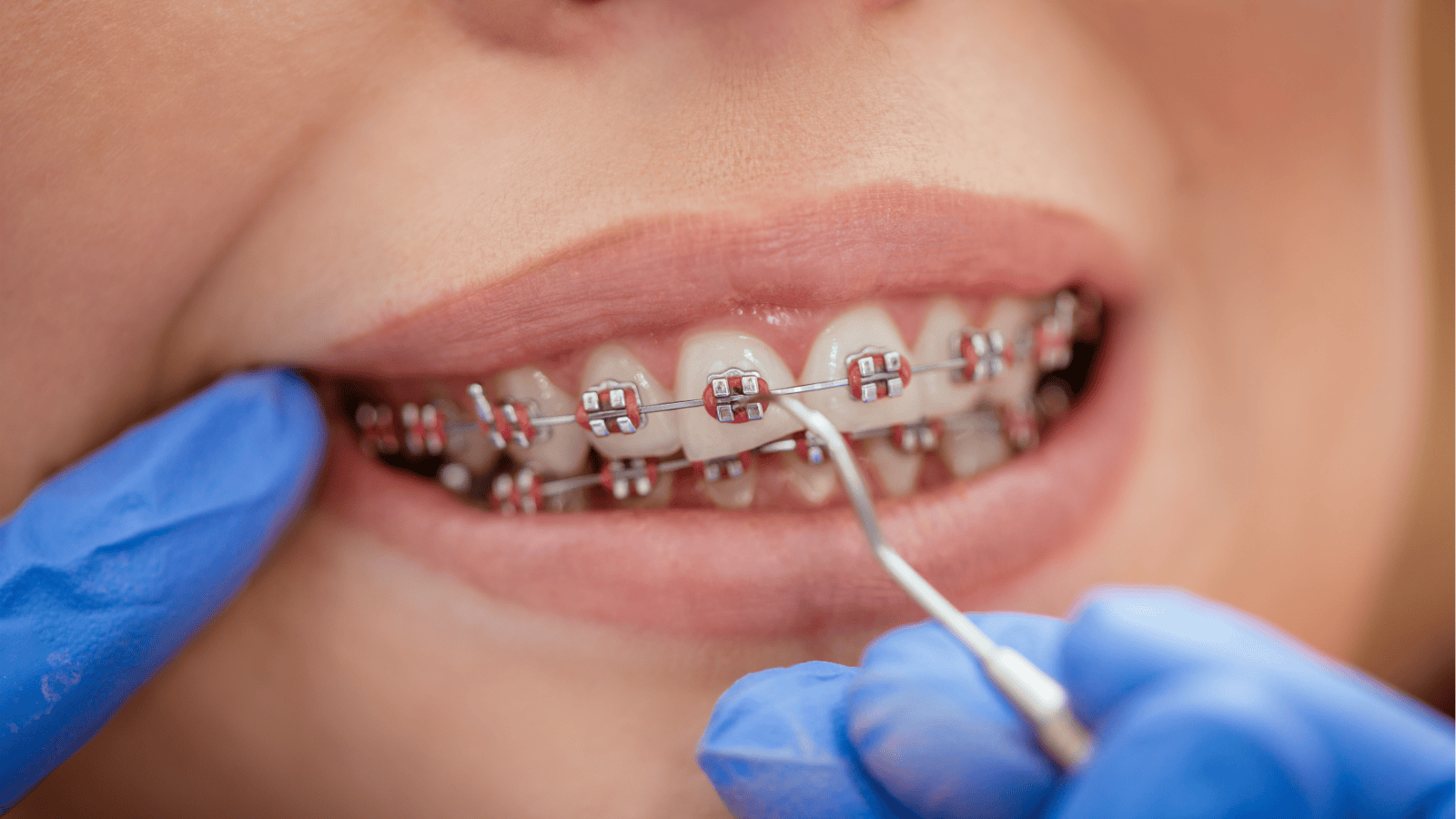
So, Do Adults Need Braces?
Without a doubt. Orthodontic treatment isn’t only about having a nice smile. It’s about health, comfort, and confidence. If your teeth are crowded, gapped, or misaligned, you are not just dealing with cosmetic issues. You could be facing jaw pain, headaches, or even gum problems down the line.
Braces (or clear aligners) can help fix that, no matter your age. Let’s jump into the 10 most common signs it might be time to see an orthodontist.
- Crowded or Overlapping Teeth That Don’t Have Enough Space
One of the most obvious and frustrating signs: your teeth are bumping into each other, overlapping, or twisting because there’s just not enough room.
Crowding makes brushing and flossing harder, and when you can’t clean properly, you are at higher risk of cavities and gum disease. Straight teeth aren’t just prettier, they are healthier and easier to care for.
- You Have Gaps Between Your Teeth
On the flip side, if you have noticeable spaces between your teeth, especially your front ones, it might have deeper effects than just aesthetics. Gaps can trap food, affect your bite, and even lead to speech issues.
According to the American Association of Orthodontists, about 30% of adults seeking orthodontic care have spacing issues that affect function and aesthetics.
- Your Bite Feels “Off”
Ever notice your teeth don’t quite line up when you bite down? That’s a big issue, and it can cause a bunch of problems.
Overbite: Your upper front teeth extend way past your lower teeth.
Underbite: Your lower teeth push out in front of your upper teeth.
Crossbite: Some of your top teeth bite inside your bottom teeth instead of outside.
These misalignments can cause jaw pain, uneven tooth wear, headaches, and even TMJ disorders.
- You Have Jaw Pain or Clicking
If your jaw clicks, pops, or aches, especially when you chew or yawn, that’s a red flag. It could be a sign your bite isn’t aligned properly.
Misaligned teeth are a leading contributor to temporomandibular joint (TMJ) pain, which affects over 10 million Americans.
- You Keep Biting Your Cheeks or Tongue
Accidental cheek or tongue bites aren’t just clumsy moments; they could signal a bite problem. When your teeth don’t meet where they should, your mouth mechanics are off.
Try slowly closing your mouth and seeing where your tongue naturally rests. If it feels cramped or you are catching your cheeks when you eat, it’s worth getting checked out.
- You Have Speech Difficulties
Speech is more connected to your teeth than you might think. Misaligned teeth can cause lisps, whistling sounds, or slurred speech, especially with “s,” “sh,” or “th” sounds.
- You Are Constantly Clenching or Grinding Your Teeth
Teeth grinding (a.k.a. bruxism) often goes unnoticed until your dentist spots worn-down enamel or you wake up with headaches. It’s common in adults under stress, but crooked teeth can make it worse.
Orthodontics can help reduce grinding by aligning your bite and lessening strain on your jaw muscles.
- You Had Braces as a Teen, But Your Teeth Shifted
Maybe you wore braces in high school. Maybe you forgot to wear your retainer (hey, it happens). Now your once-perfect smile is starting to shift, and you are back to square one.
The good news? Adult treatment is often quicker and more discreet these days, think clear aligners or ceramic braces.
- You Feel Self-Conscious About Your Smile
Let’s not ignore the confidence piece. If you avoid smiling in photos or cover your mouth when you laugh, that’s not something you have to live with.
Orthodontics today is more about empowerment than perfection. It’s about giving you the confidence to show up fully, smile and all.
- Your Dentist Recommended Seeing an Orthodontist
This one’s simple: If your dentist suggests it, listen. Dentists often spot early signs of bite issues, shifting teeth, or wear patterns that could benefit from braces or aligners.
You might not feel anything’s wrong, but small changes today can prevent bigger problems tomorrow.
Okay, I See The Signs Now, What?
Recognizing the signs is just step one. The next move? Book a consultation with an experienced orthodontist who can give you a custom treatment plan.
Braces have come a long way. We are talking clear options, quicker treatment times, and way less discomfort than years ago. And the best part? It’s easier than ever to get started.
Why Adults Are Choosing Braces More Than Ever
| Reason | Why It Matters |
| Discreet Options | Clear braces and aligners are barely visible |
| Flexible Financing | Monthly payment plans make treatment doable |
| Faster Results | Many adults finish treatment in 12–18 months |
| Health Benefits | Straighter teeth = better oral hygiene |
| Confidence Boost | You will feel more comfortable in your skin |
Your Smile Deserves Expert Care
Whether you are dealing with crowding, spacing, jaw pain, or just not feeling great about your smile, you don’t have to settle. Adult braces (or aligners) can make a huge difference, not just in how you look, but in how you feel every single day. Artful Orthodontics in Winter Garden, FL, specializes in adult orthodontic care that fits your lifestyle. From consultation to final results, our friendly team is here to guide you every step of the way.
FAQs
Can I still get braces if I have crowns or missing teeth?
Yes, you can. An orthodontist can work around existing dental work like crowns, bridges, or implants. Treatment might require a bit more planning, but it’s completely doable.
Will braces affect how I eat or speak as an adult?
In the first few days, yes, especially with traditional braces. You might need to avoid sticky or hard foods. But with time, your mouth adjusts. If you are using clear aligners, you will just remove them when eating.
Are adult braces painful?
Not really. You may feel some pressure when adjustments are made or when switching aligners, but it’s more discomfort than pain. Most people say it’s manageable, like a workout for your teeth.